
Pedestrian Accidents Involving Jaywalking: Winning When the Driver Claims “He Came Out of Nowhere”
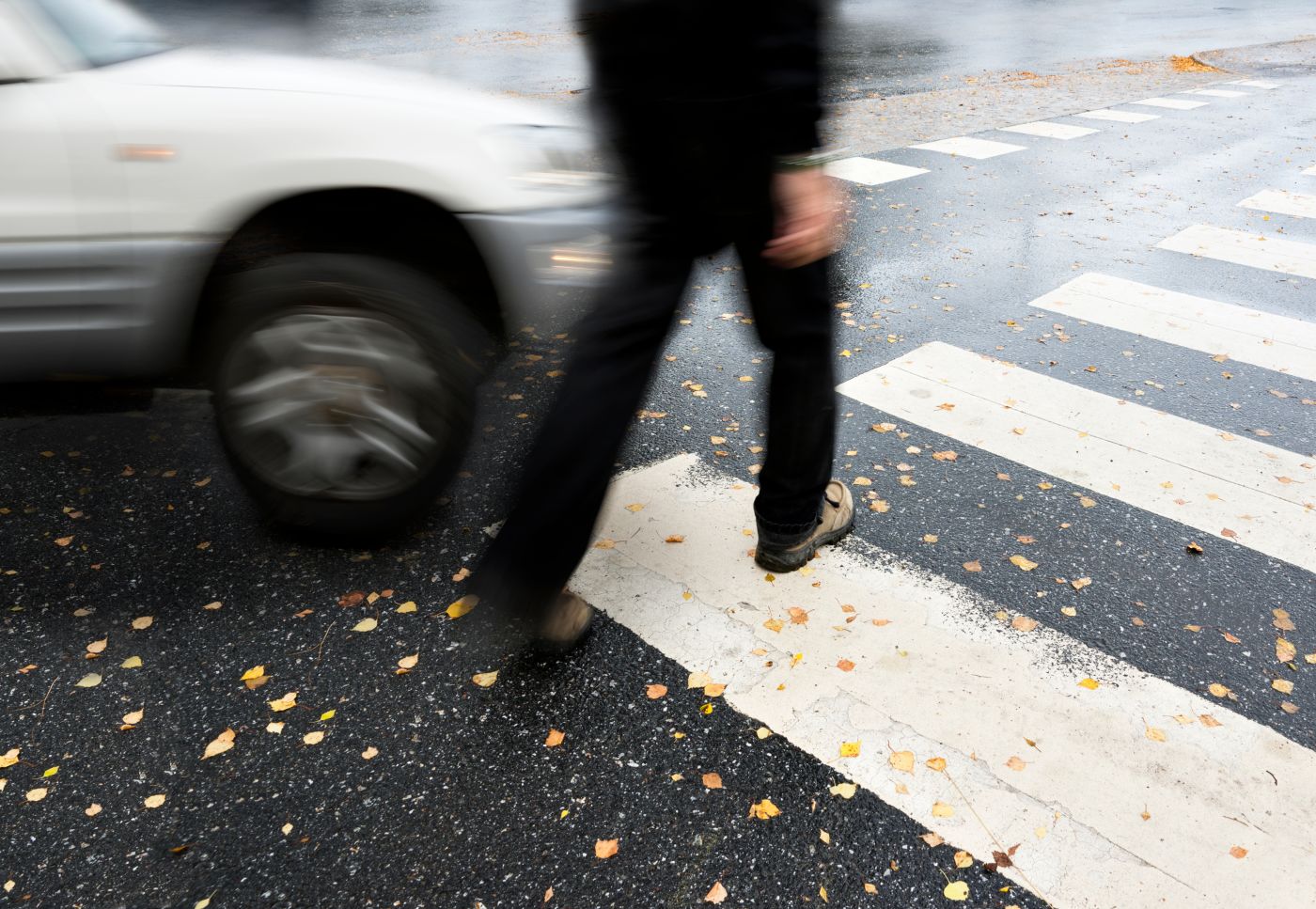
The phrase, "He came out of nowhere," is one of the most common explanations drivers give after striking a pedestrian. While that statement may sound convincing, it does not automatically determine who is legally responsible for the crash. Serious pedestrian accidents often result in extensive medical treatment, lost income, and a long recovery, leaving injured individuals wondering whether they still have a valid claim, especially if they were crossing outside a marked crosswalk.
One of the biggest misconceptions surrounding pedestrian accidents is that crossing outside a crosswalk automatically makes the pedestrian responsible for the collision. While crossing outside a designated crossing area may violate certain traffic laws, it does not automatically excuse a driver from exercising reasonable care.
Drivers still have a duty to remain alert, watch for pedestrians, obey speed limits, and respond reasonably to hazards they should have seen. A driver who was speeding, distracted by a cellphone, impaired, or failed to maintain a proper lookout may still bear substantial responsibility for the collision.
Every accident depends on its own facts. The pedestrian's location, lighting conditions, vehicle speed, visibility, traffic signals, weather, and driver behavior are all important factors in determining liability.
It is common for drivers involved in pedestrian accidents to tell investigating officers that the pedestrian suddenly appeared in front of the vehicle. Sometimes that statement accurately reflects what the driver believed in the moment. Other times, a thorough investigation tells a different story.
Human perception during stressful events is not always accurate. Drivers frequently overestimate how suddenly an event occurred or underestimate how much time they had to react. Physical evidence often provides a more reliable account than initial impressions made immediately after a collision. Statements made at the scene should always be compared with objective evidence before reaching conclusions about fault.
Winning a pedestrian accident case frequently depends on reconstructing the events leading up to the collision. Modern investigations rely on much more than witness statements alone. As a former police officer, I understand how accident scenes are documented and where valuable evidence is often found. Preserving that evidence quickly can make a meaningful difference later.
Surveillance footage from nearby businesses, residential security cameras, traffic cameras, and dash cameras may capture the collision or show vehicle movements beforehand. Vehicle damage, skid marks, roadway measurements, debris patterns, electronic data stored within the vehicle, and cell phone records may also provide valuable information. Eyewitness testimony can help establish whether the driver appeared distracted, whether the pedestrian was visible before entering the roadway, or whether excessive speed played a role.
Even if a pedestrian crossed outside a marked crosswalk, the driver's conduct remains subject to careful review. Investigators often examine whether the driver exceeded the posted speed limit, failed to reduce speed in areas where pedestrians were likely to be present, ignored traffic signals, or became distracted before impact. Cell phone use, onboard vehicle data, toxicology results, and witness observations may all become relevant.
Drivers sometimes focus solely on the pedestrian's actions while overlooking their own responsibility to operate a vehicle safely. A complete investigation considers both sides of the collision.
Many pedestrian accident cases involve shared responsibility. A pedestrian may have exercised poor judgment by crossing at an unsafe location, while the driver also failed to maintain a proper lookout or to drive at a proper speed for the conditions.
In these situations, determining fault often requires evaluating how each party's conduct contributed to the accident. Simply because one person violated a traffic rule does not automatically mean that person bears all legal responsibility for the injuries.
Insurance companies sometimes attempt to place all blame on injured pedestrians before completing a thorough investigation. Carefully reviewing the available evidence often yields a more accurate picture of what actually occurred.
After any pedestrian collision, obtaining prompt medical treatment serves both your health and your legal claim. Some injuries, particularly traumatic brain injuries, internal injuries, and soft tissue damage, may not become fully apparent until hours or days after the accident.
Medical records document the nature of your injuries, establish a timeline connecting those injuries to the collision, and help demonstrate the impact the accident has had on your daily life. Following treatment recommendations and attending scheduled appointments also creates a consistent medical record that supports your claim. Waiting too long to seek treatment may allow insurance companies to argue that your injuries resulted from something other than the accident.
Florida law establishes duties for both pedestrians and drivers. Under the Florida Uniform Traffic Control Law, pedestrians generally should use marked crosswalks when available, while drivers must exercise reasonable care to avoid colliding with pedestrians. These responsibilities exist together rather than independently.
Florida also follows a modified comparative negligence system for most negligence claims. If multiple parties contributed to an accident, responsibility may be allocated among them based on the evidence presented. This means the actions of both the pedestrian and the driver may be evaluated when determining whether compensation is available.
Because pedestrian accident claims often involve factual disputes regarding visibility, reaction time, speed, and right-of-way, gathering evidence quickly after the collision can significantly affect the outcome of the case.
At Pelham Law Firm, I have spent decades helping injured people stand up to insurance companies and pursue the compensation they deserve. Before becoming an attorney, I served as a police officer, giving me valuable insight into accident investigations and the evidence that often makes the difference in personal injury claims. I represent clients throughout Tallahassee, Leon County, Quincy, Crawfordville, Monticello, Havana, and surrounding North Florida communities. If you have been injured in a pedestrian accident, contact me today to discuss your legal options.