Multi-Car Pileup Litigation: Suing Every Driver vs. Targeting the One With Deep Pockets
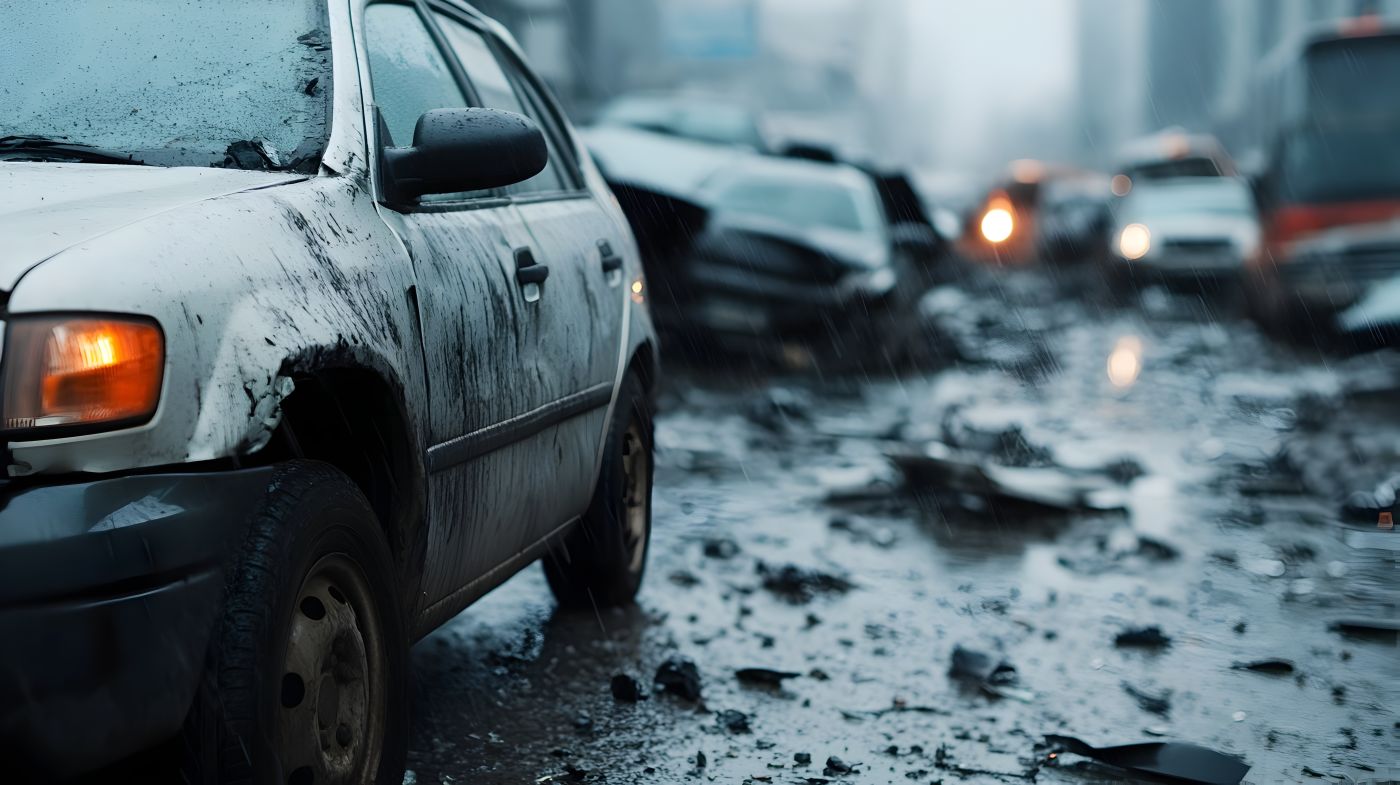
Car crashes involving multiple vehicles can turn your life upside down in seconds. One moment you’re driving normally, and the next you’re caught in a chain reaction of impact after impact, unsure of what just happened or who is responsible. It’s common to feel overwhelmed, frustrated, and even powerless when multiple drivers are involved.
If you’re dealing with a multi-car pileup, you likely face medical bills, vehicle damage, and endless calls with insurance companies. Questions about fault and compensation can quickly pile up, especially when each driver tells a different version of events.
At Pelham Law Firm, I work with individuals across the surrounding areas to evaluate these claims and help them take the next step. From my location in Tallahassee, Florida, I support clients across the region after multi-vehicle pileups. Don’t wait to get clarity about your situation; reach out to my firm today to discuss your options.
A multi-vehicle pileup rarely involves just one mistake. Instead, it often unfolds as a chain reaction where one collision triggers several more. Because of this, fault can be shared among multiple drivers, making claims more difficult than a typical two-car accident.
You might assume that the first driver who caused the initial crash is fully responsible. However, that’s not always the case. Drivers behind them may have been following too closely, speeding, or failing to react in time. Each of those actions can contribute to the overall damage.
Insurance companies often exploit this uncertainty. They may try to shift blame between drivers to reduce payouts, leaving you stuck in the middle. That’s why determining liability in a multi-car pileup often requires a detailed review of police reports, witness statements, and sometimes accident reconstruction.
When it comes to filing a claim after a multi-vehicle pileup, there are generally two legal approaches. You can pursue claims against multiple drivers involved, or you can focus on one party who appears to bear the most responsibility or has the financial resources to cover damages. Here’s how these strategies differ:
Suing multiple drivers: This approach spreads liability across several parties. It can increase your chances of recovering compensation, especially if fault is shared. However, it may also prolong the case as multiple insurers and attorneys get involved.
Focusing on a single defendant: In some situations, one driver’s actions clearly caused the majority of the damage. Targeting that individual may simplify the process, but it can limit your recovery if their insurance coverage isn’t enough.
Combining both approaches: You may start by including several drivers and later narrow the case based on evidence and insurance limits. This flexible strategy is often used in a multi-car pileup where fault isn’t immediately clear.
Each option has trade-offs, and the best choice depends on the specific facts of your accident. An experienced lawyer can help assess which direction aligns with your goals and the available evidence.
You may hear the phrase “deep pockets” when discussing a multi-car pileup claim. It refers to defendants with substantial insurance coverage or financial resources, making them more able to pay a larger settlement or judgment.
This doesn’t mean you can simply choose the wealthiest party and hold them responsible without evidence. Liability still matters. However, once fault is established, financial capacity can influence how a claim is pursued. In a multi-vehicle pileup, potential sources of compensation may include:
High-limit insurance policies: Some drivers carry more coverage than the minimum required, which can significantly affect your recovery.
Commercial vehicle coverage: If a truck or company vehicle is involved, additional policies or employer liability may be required.
Umbrella policies: Certain individuals have additional insurance that kicks in once standard policy limits are reached.
Looking at these factors helps shape a strategy that balances fairness and practicality. The goal isn’t just to assign blame, but to recover compensation that reflects the full extent of your losses.
Strong evidence is critical in any multi-car pileup case. Because multiple parties are involved, even small details can make a big difference in how fault is assigned and how much compensation you may receive. To build a solid claim, the following types of evidence are used:
Police reports: Officers typically document the scene, note potential violations, and provide an initial assessment of fault.
Witness statements: Third-party accounts can help clarify what happened, especially when drivers disagree.
Photos and videos: Images of vehicle positions, damage, and road conditions can support your version of events.
Medical records: Documentation of your injuries links the accident to your physical and financial losses.
Accident reconstruction: In more serious multi-vehicle pileup cases, specialists may analyze the sequence of collisions to determine how the crash unfolded.
Gathering and preserving this evidence early can make a significant difference. It also helps prevent insurance companies from minimizing your claim or unfairly shifting blame.
Recovering after a multi-car pileup isn’t just about fixing your car or paying medical bills. It’s about regaining a sense of stability and understanding the next steps. The legal process may feel intimidating, but you don’t have to face it without guidance.
Working with an experienced lawyer can help you evaluate whether to pursue multiple drivers or focus on a single defendant. It can also give you a clearer picture of what your claim may be worth and how to approach negotiations. If you’ve been injured in a multi-vehicle pileup, taking action sooner rather than later can protect your rights. Evidence can fade, and deadlines may apply to your claim.
I know how difficult these situations can be. At Pelham Law Firm, I work with clients to break down their options into manageable steps. If you’re in Tallahassee, Florida, or the surrounding areas, my firm is here to help you move forward after a multi-car pileup. Reach out today to discuss your case and take the first step toward recovery.