
Why Roundabouts Create Confusion for Cyclists and Drivers
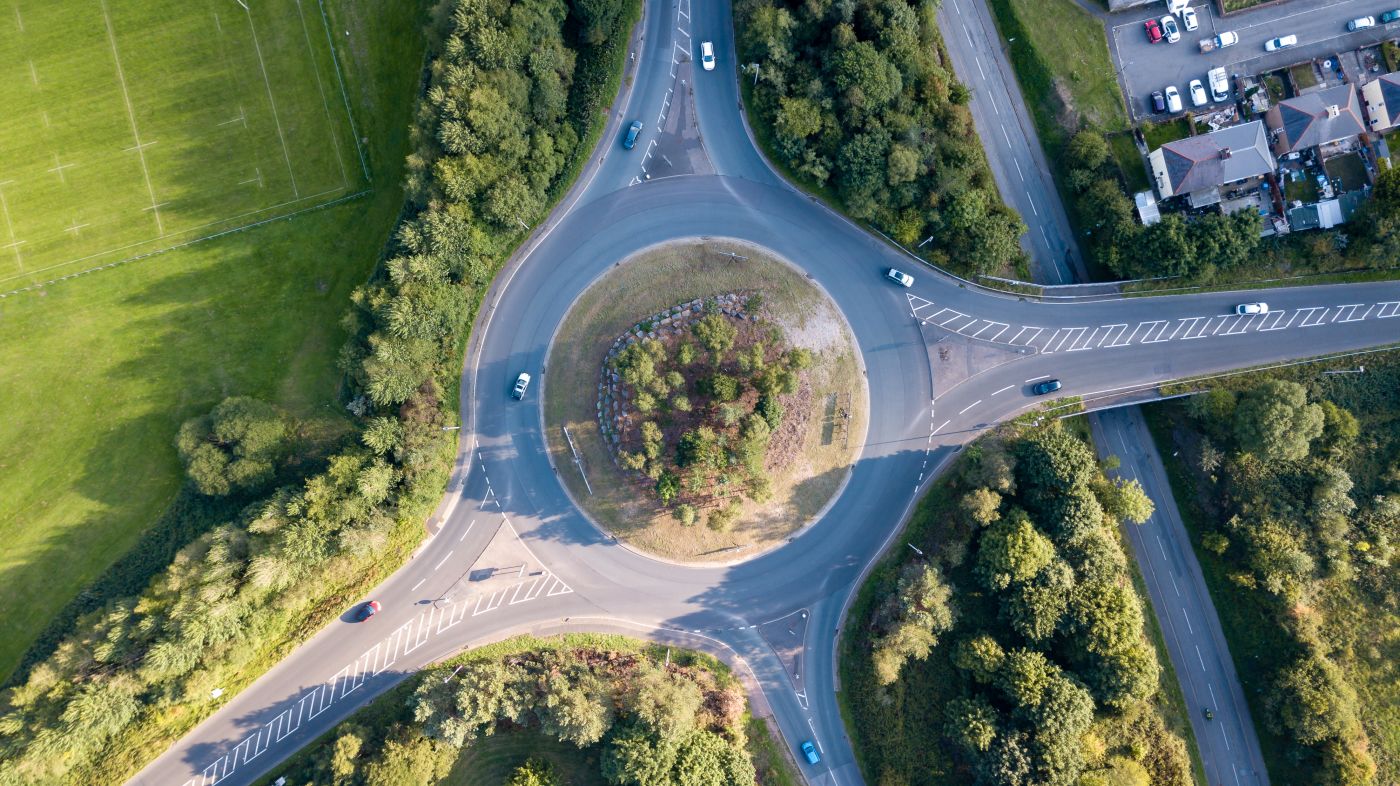
If you’ve ever ridden a bike through a roundabout, you probably know how quickly a routine ride can turn stressful. You’re watching traffic from multiple directions, trying to position yourself safely, and hoping drivers see you in time to react. When something goes wrong, it often happens fast, and the consequences can be serious. That experience can leave you feeling shaken, frustrated, and unsure of what should have happened in the first place.
At Pelham Law Firm, I’ve seen how these situations affect injured cyclists and their families. Many cases involve confusion over who had the right of way, especially in roundabout bicycle accidents where drivers and even witnesses misunderstand yield rules. If you’re dealing with the aftermath of a crash in or near Tallahassee, Florida, or the surrounding areas, my firm is here to help. If you have questions about your situation, reach out today to get clarity on your options.
Roundabouts are designed to keep traffic moving, but they rely heavily on drivers and cyclists following clear yield principles. The basic rule is simple: traffic entering the roundabout must yield to traffic already circulating inside it. That rule applies to motor vehicles and bicycles alike.
In roundabout bicycle accidents, the trouble often starts when drivers don’t recognize that cyclists already in the roundabout have the right of way. Drivers approaching the circle sometimes focus only on other cars and fail to notice cyclists, especially if they’re traveling at a different speed or closer to the edge of the lane.
For cyclists, positioning matters. Depending on the situation, you might ride in the lane like a vehicle or near the edge, but either way, you’re still considered part of traffic. That means drivers must yield to you if you’re already in the roundabout. Unfortunately, not every driver understands or respects that rule, which increases the risk of collisions.
Even though the rules are straightforward, real-life behavior doesn’t always follow them. Drivers bring habits from traditional intersections into roundabouts, and that can create dangerous assumptions.
At the same time, juries often struggle to interpret these crashes because roundabouts don’t look or function like the intersections they’re more familiar with. Here are some common ways confusion shows up in roundabout bicycle accidents:
Failing to see cyclists: Drivers often scan for larger vehicles and overlook cyclists, especially in heavy or fast-moving traffic.
Assuming cyclists should yield: Some drivers incorrectly believe cyclists must always yield, even when the cyclist is already in the roundabout.
Misjudging speed and distance: A driver might think they have enough time to enter the roundabout before a cyclist reaches them, leading to unsafe merges.
These misunderstandings aren’t always intentional, but they can still lead to serious injuries. When a driver fails to yield properly, the cyclist often bears the physical consequences. In a legal setting, those same misunderstandings can make it harder to clearly assign fault without strong evidence and explanation.
Building a strong claim after a crash often comes down to showing exactly how the collision occurred and who failed to yield. The more clearly the situation is explained, the easier it is for others to understand what went wrong in roundabout bicycle accidents. Key evidence in these cases includes:
Traffic camera or dashcam footage: Video can show the positions and movements of both the cyclist and the driver leading up to the crash.
Witness statements: People who saw the incident can provide valuable perspectives on who entered the roundabout first and whether anyone failed to yield.
Accident reconstruction: Professionals can analyze the scene and create a detailed explanation of how the crash happened.
Roadway design and signage: Photos and diagrams of the roundabout can help demonstrate how traffic is supposed to flow.
This type of evidence helps bridge the gap between technical rules and real-life understanding. If you’re working with an experienced lawyer, they can use these details to present a clearer picture of liability and support your claim.
Roundabout bicycle accidents can leave you dealing with more than just physical injuries. There’s often confusion about what went wrong, frustration over how the situation is perceived, and concern about how to move forward. Those challenges can feel even heavier when others misunderstand the rules that should have protected you.
If you’re facing this situation in Tallahassee, Florida, or the surrounding areas, it helps to talk through your experience with experienced legal counsel. At Pelham Law Firm, I work with clients to break down what happened, explain how yield rules apply, and pursue fair outcomes based on the facts. If you’re ready to take the next step after a roundabout bicycle incident, reach out today and start the process with confidence.